en
en RU
RU PL
PL LT
LT
















 |
 |
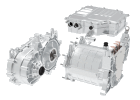
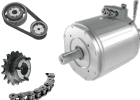
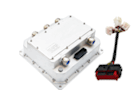
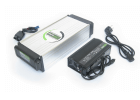
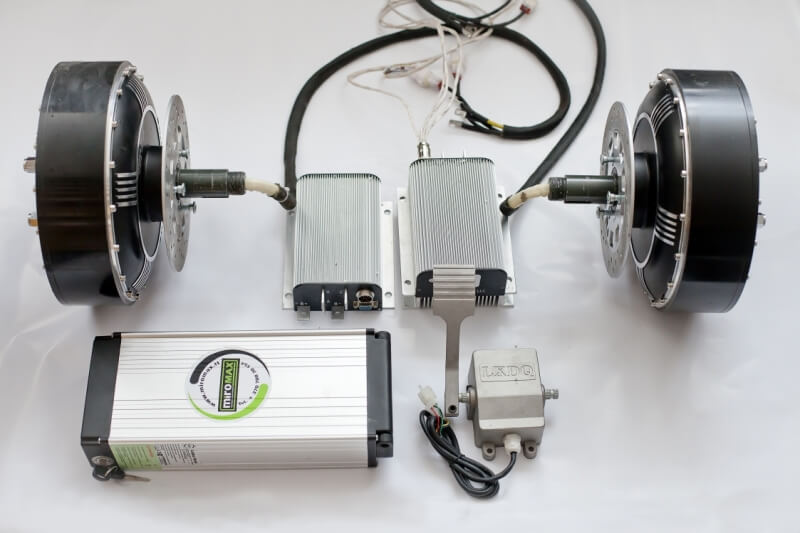
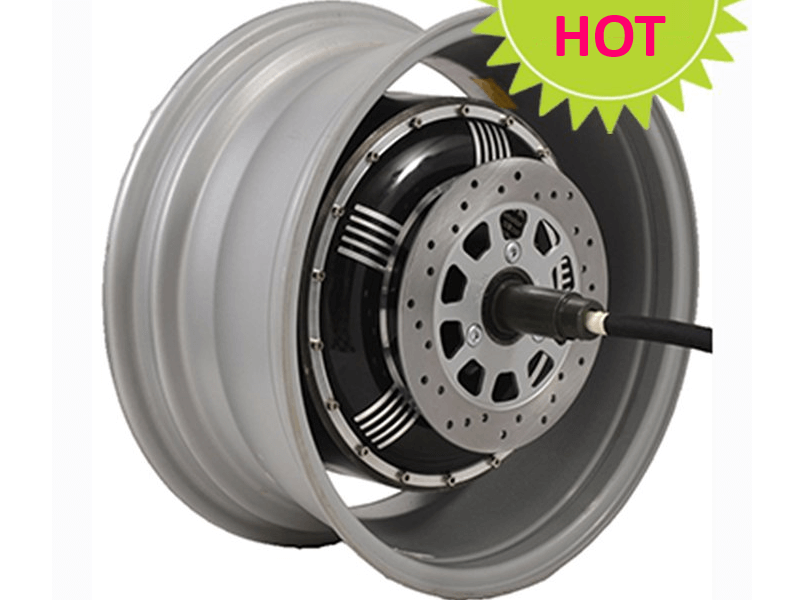
E-car conversion kit 2x 8/16kW 72V

 More foto (9)
|
Carrier
|
Country
|
| Delivery price: | € 50,00 *incl. VAT |
| Delivery time: | 24 h. |
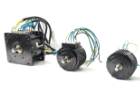
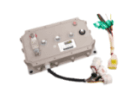
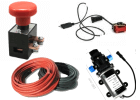
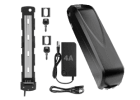
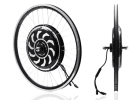
2x 8/16 kW 72 V Electric Car Conversion Kit – Dual BLDC Motor DriveThe E-CAR-HUB 2x 8/16KW 72V is designed for more advanced vehicle electrification projects. According to the product information, the system operates at 72 V and provides a combined power output of 16 kW. The kit uses BLDC technology and also includes an FS-010 speed control device, a 72 V contactor and a 12-month warranty. The product specification also indicates programmable control as well as functions such as reverse operation and regenerative braking. Instead of using a conventional drivetrain with a single centrally mounted motor, this type of configuration offers a different approach to electric vehicle design. It can be particularly interesting for projects where the drive needs to be distributed between two separate points. 16 kW of Power in a 72 V SystemA 72 V system is commonly used in more demanding electric mobility projects. At power levels measured in several kilowatts, a higher system voltage can reduce the amount of current required compared with a significantly lower-voltage system delivering similar power. However, this does not mean that the remaining electrical components can be selected independently. The battery, BMS, wiring, protection devices, contactors, charger and DC/DC converters must all be compatible with the complete operating-voltage range and expected electrical load. Correct electrical integration is just as important as the mechanical installation of the drive units. Two Motors – A Different Approach to Drivetrain DesignA system using two motors gives the designer different possibilities compared with a conventional single central motor. Depending on the vehicle architecture, a dual-motor system may reduce the need for some traditional mechanical drivetrain components. At the same time, it requires proper synchronisation and carefully planned control. One of the key requirements is to ensure predictable torque delivery and stable operation on both sides of the drivetrain. For this reason, the system should be integrated as one complete drivetrain rather than treated as two independent motors operating without consideration for the behaviour of the entire vehicle. Why Is BLDC Technology Suitable for Eco Transport?Brushless DC motors use electronic commutation instead of conventional mechanical brushes. This allows precise electronic control over motor operation. In electric vehicles, the ability to regulate torque smoothly from low speeds and manage power efficiently under different operating conditions is particularly valuable. For this reason, BLDC technology is widely used in converted vehicles, lightweight electric platforms and specialist electric-drive applications. However, the final performance of the drivetrain depends on the specific motor, controller and overall system configuration. BLDC technology provides the foundation, but the complete vehicle still needs to be designed around the intended application. Regenerative BrakingOne of the functions indicated for the E-CAR-HUB system is regenerative braking. During deceleration, the electric drive can operate as a generator under suitable conditions and return part of the recovered energy to the traction battery. For this function to operate correctly, the complete system must work together, including the controller and the battery. The battery's ability to accept charging current is particularly important. If the battery is already fully charged or if the BMS limits charging current, the regenerative braking strategy must take these conditions into account. Regenerative braking should therefore be considered a supplementary function. It can assist with vehicle deceleration and recover part of the kinetic energy, but it does not replace the vehicle's mechanical braking system. Reverse Operation Without a Conventional GearboxElectric motor control makes it possible to reverse the direction of motor rotation electronically. This means that reverse operation can be achieved without using the type of conventional mechanical reverse gear commonly found in combustion-engine drivetrains. In a car or utility vehicle project, this can be a highly practical feature. However, the function should be integrated in a way that prevents accidental direction changes while the vehicle is moving. The control logic and driver interface should ensure predictable and safe operation. Reverse control should therefore be treated as part of the overall vehicle-control architecture rather than as an isolated switch. Selecting a 72 V BatteryFor a 16 kW drivetrain, battery selection involves more than choosing the required energy capacity. The battery must also be capable of safely delivering the current required by the electric drive. This means taking into account the characteristics of the battery cells, pack configuration, BMS parameters and thermal conditions. The required driving range must also be defined. A battery with greater energy capacity can store more energy and potentially provide greater range, but it also increases vehicle weight and requires more installation space. In a converted vehicle, battery placement can also affect weight distribution. For this reason, the battery should be selected as part of the complete vehicle design rather than as an independent component. Mechanical Design Is EssentialA drivetrain based on two motors must be properly installed and connected to the wheels or suspension components according to the architecture of the specific vehicle. The mounting system needs to withstand the torque and loads generated during acceleration, braking and driving over uneven surfaces. If the drive units are directly related to suspension movement, the design must also take the full suspension travel into account. All mechanical components should have an appropriate safety margin. Mounting points, brackets and connections should be designed for real operating loads rather than only static conditions. A powerful electric drivetrain can only work properly when the mechanical structure supporting it is equally well engineered. Cooling and Operation Under LoadHigh peak power is only one aspect of electric drivetrain performance. The ability to operate for a specified period without exceeding safe temperatures is equally important. Thermal conditions depend on several factors, including vehicle mass, road speed, driving style and route profile. During the first tests after conversion, it is advisable to monitor drivetrain temperatures in different scenarios. These can include acceleration, constant-speed driving and extended hill climbing. Such testing makes it possible to verify whether the selected configuration is suitable for the actual application. A drivetrain that performs correctly during a short low-load test may behave very differently during prolonged operation at higher power. What Type of Project Is the E-CAR-HUB Suitable For?The E-CAR-HUB 2x 8/16KW 72V may be of interest to designers and builders who want to develop an electric vehicle using two motors instead of a traditional centrally mounted drive unit. It can be considered for specialist projects and individual vehicle conversions where the installation of a conventional motor and transmission would be less suitable or where the designer intentionally chooses a distributed drive architecture. However, the system should not be selected on the basis of power alone. Vehicle mass, geometry, required torque, wheel diameter, target speed, battery configuration and control architecture must all be analysed. Every conversion has different mechanical and electrical requirements. For this reason, the suitability of the system should always be evaluated for the specific vehicle. A Complete Approach to Vehicle ElectrificationA successful electric conversion is created when the mechanical and electrical systems are designed together. Motors, controllers, the traction battery, protection devices and control components should not be assembled as an unrelated collection of parts. The 2x 8/16 kW 72 V system provides a foundation for a relatively powerful electric vehicle project and allows the designer to use important advantages of electric propulsion, including electronic torque control, reverse operation and regenerative braking. Before implementing a specific configuration, its compatibility with the vehicle should be verified and all additional components required for the complete drivetrain should be identified. In a correctly engineered vehicle, a 16 kW dual-motor system can provide the basis for a functional electric drivetrain adapted to an individual application. |

 EN
EN  RU
RU  PL
PL  LT
LT 


Photo gallery







| UAB MIROMAX Pramonės g. 97 LT-11115, Vilnius www.miromax.lt |
Tel: +370 700 30 154 miromax@miromax.lt |
 |
 |
We are trusted by: